Bitter Warnings: Forbidden Drinks
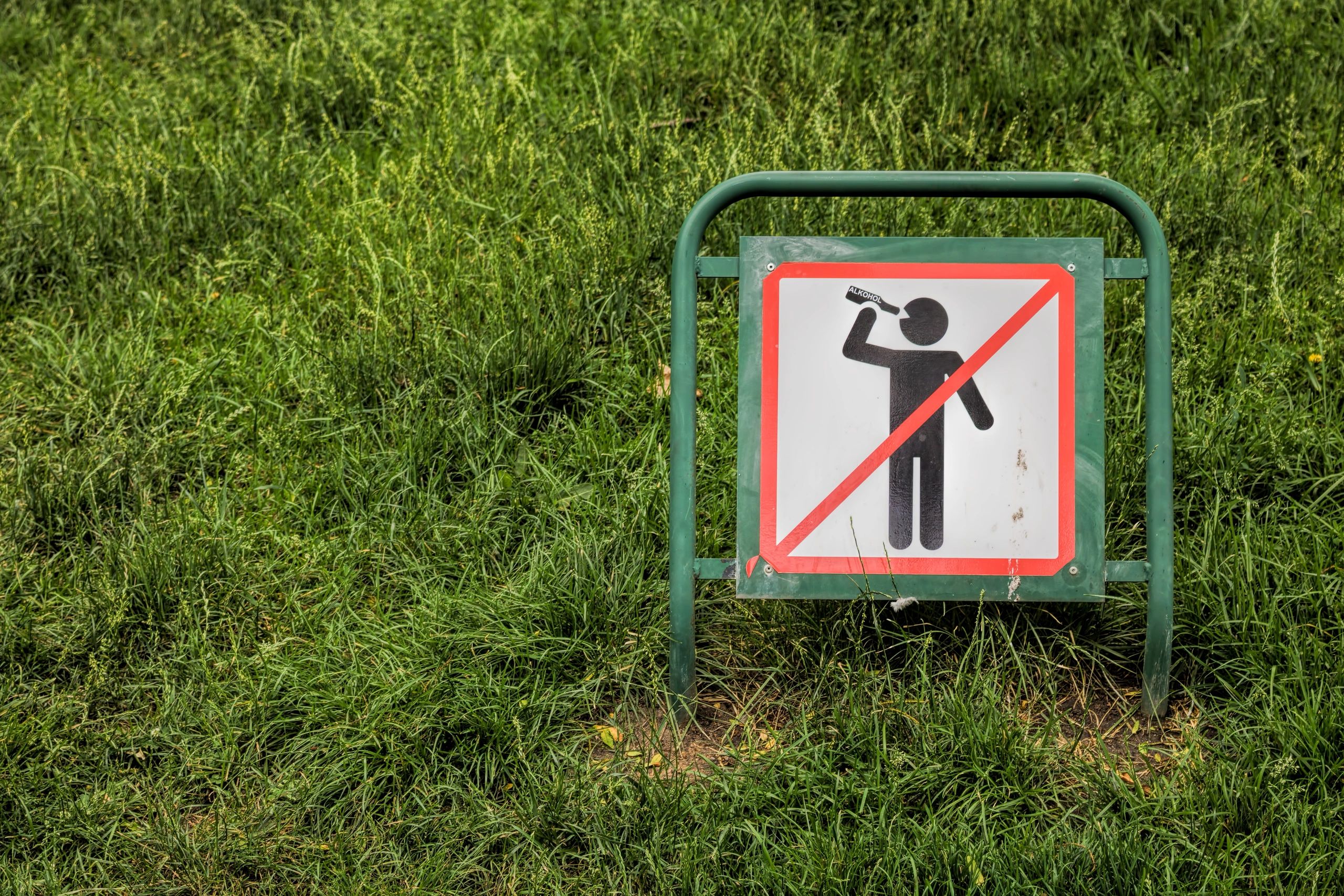
It's as if the universe decided certain leaves were too potent for polite society, whispering, "Steep at your own peril." We'll steep ourselves in the details here, from religious taboos to global restrictions, with a charming nod to the irony: What comforts one culture might confound another. Remember, this isn't advice to rebel—consult experts before brewing anything bold.
Religiously Forbidden
In some faiths, tea isn't just a beverage; it's a boundary. Take the Church of Jesus Christ of Latter-day Saints (LDS), where the Word of Wisdom—a health code from Doctrine forbids "hot drinks," interpreted by leaders as coffee and tea from the Camellia sinensis plant. That means black, green, white, oolong, and even jasmine teas are off-limits, due to their stimulating effects and potential for habit formation.
Beyond the LDS "hot drinks" doctrine, other faiths have sipped skepticism toward certain brews. Seventh-day Adventists shun caffeinated drinks like coffee and tea, viewing them as unwholesome stimulants that cloud the temple of the body. Rastafarians, too, taboo coffee (and by extension, similar infusions), aligning with their natural-living ethos that eschews artificial highs.
In Buddhism, while true tea aids monastic alertness, intoxicant infusions like those from Datura seeds are restricted outside rare Vajrayana rituals—lest they derail the path to enlightenment with heedless hallucinations. Judaism discourages addictive substances, including potentially habit-forming herbal teas, as the body is divine property not to be harmed. In the 16th-century Catholics nearly banned coffee as the "devil's beverage," only for Pope Clement VIII to deem it too delightful for infidels alone.
Legally Banned
Nature's energy drinks, forbidden because they pack too much punch—proof that even plants can party too hard. Some teas cross into contraband territory because their ingredients are classified as drugs. Coca leaf tea (mate de coca), sipped casually in Andean cultures for altitude sickness, is restricted worldwide as a federally controlled substance due to its cocaine alkaloids—trace amounts, but enough to raise red flags at borders. Khat (Arabian tea), chewed or brewed in East Africa and the Middle East for its stimulant cathinone, faces similar bans in many countries, including the US and UK, for its amphetamine-like effects and potential for abuse.
Then there are synthetics masquerading as herbals: In New South Wales, Australia, AB-CHMINACA, AB-PINACA, and AB-FUBINACA—synthetic cannabinoids sold as "herbal tea" ingredients—were reclassified as illicit drugs in 2016. Why? They're "potentially deadly," causing heart palpitations, seizures, worsened psychiatric conditions, and even death, far from the relaxing brew they pretend to be.
In 18th-century Europe, reformer groups decried tea as a societal scourge, calling for bans amid whispers of health woes and economic drain—Dutch doctors championed its virtues, but critics saw it as a "slow poison" eroding productivity and purses. Deep wit: Tea, that innocuous infusion, sparked debates akin to modern caffeine crusades, proving even the mildest buzz can brew revolution.
Across the pond, the Boston Tea Party of 1773 wasn't a ban but a bold boycott—colonists dumping British tea into the harbor to protest taxes, effectively "forbidding" it in revolutionary rhetoric. In Britain itself, laws in 1724 under George I targeted adulterated tea, prohibiting tainted blends that masqueraded as the real deal, lest they poison the populace. Charming irony: The Empire that built fortunes on tea had to police its purity, like a host spiking their own punch.
Further back, in the Ottoman Empire, coffee (a close tea cousin in beverage bans) was outlawed in 1633 by Sultan Murad IV for fostering seditious chatter in coffeehouses—tea might have escaped, but the era's stimulant suspicions cast a long shadow. And in China, where tea was born, the 19th-century Opium Wars linked tea exports to opium imports; China banned opium in response, indirectly tying tea to trade turmoil.
Health Hazards
Certain teas are shunned for toxicity. Comfrey tea, once touted for wounds, contains pyrrolizidine alkaloids that damage the liver and lungs—banned in many places like the US and UK. Kava kava, a Pacific Island relaxant, is restricted in Europe and Canada for rare but severe liver toxicity. Ephedra (ma huang) tea, used for weight loss, was banned in the US in 2004 after links to heart attacks and strokes.
Senna tea, a laxative darling for "detox" and slimming, is prohibited in numerous countries (though still sold in Poland) for its addictive potential and liver-damaging effects when overused—causing dependency, electrolyte imbalances, and long-term gut issues.
Cistus tea (rockrose) faces bans in some regions over regulatory hurdles: lack of food safety approvals, potential contaminants, insufficient data on long-term effects, and interactions with meds. It's not universally forbidden, but bureaucracy brews caution.
Regulatory Restrictions: Smoked Out or Spiced Away
Lapsang Souchong, that smoky Chinese black tea, isn't outright banned in Europe but tightly regulated. The culprit? Polycyclic aromatic hydrocarbons (PAHs) from pine wood smoking—carcinogenic compounds that can exceed EU limits (set in 2015, stricter in France and Germany). Only high-PAH batches are prohibited; safer versions use filtered smoke or alternative woods.
Broader bans hit herbal ingredients in medicinal teas per UK rules: Aconite (toxic cardiac effects), Aristolochia (kidney damage and cancer), Podophyllum (severe GI upset), and more are prohibited or pharmacy-only due to poisoning risks.
Psychoactive Potions
Some teas cross from calming to cosmic, earning bans for their mind-bending might. Ayahuasca, the Amazonian brew of Banisteriopsis caapi and Psychotria viridis vines, unlocks profound visions via DMT—but it's forbidden in most countries outside religious exemptions in Brazil or Peru, due to intense psychological risks and abuse potential. Witty depth: A tea that brews enlightenment or ego-death? Nature's way of saying, "Proceed with shamanic caution."
Peyote tea, steeped from the mescaline-rich cactus, holds sacred status in Native American Church rituals but is restricted elsewhere for its hallucinogenic hazards, like cognitive dissonance. Salvia divinorum infusions, used by Mazatec shamans, deliver short, potent trips but face bans in Australia and U.S. states for unpredictable psyche plunges. Datura (jimsonweed) tea, with its tropane alkaloids, induces delirium and is globally shunned for toxicity—think witches' brews gone wrong. Mandrake root infusions, legendary for human-like shapes and hallucinations, are outlawed in many spots for their poisonous punch.
And lastly,
Forbidden teas often boil down to balance: Protecting health, preventing abuse, or honoring beliefs. In travel, watch borders—teas like coca or khat could land you in hot water (pun intended).
Diving deeper reveals tea's tangled tale: From historical hustles to psychoactive perils, bans brew from a blend of caution and culture. Yet, in this cosmic comedy, forbidden fruits (or leaves) fascinate, teaching that wisdom often means admiring from afar. Here's to the allowed infusions that warm without warning—may your mug steer clear of mischief. Spill your thoughts on these taboo teas below; what's your forbidden favorite?