
Can Teas Really Help You Live Longer?
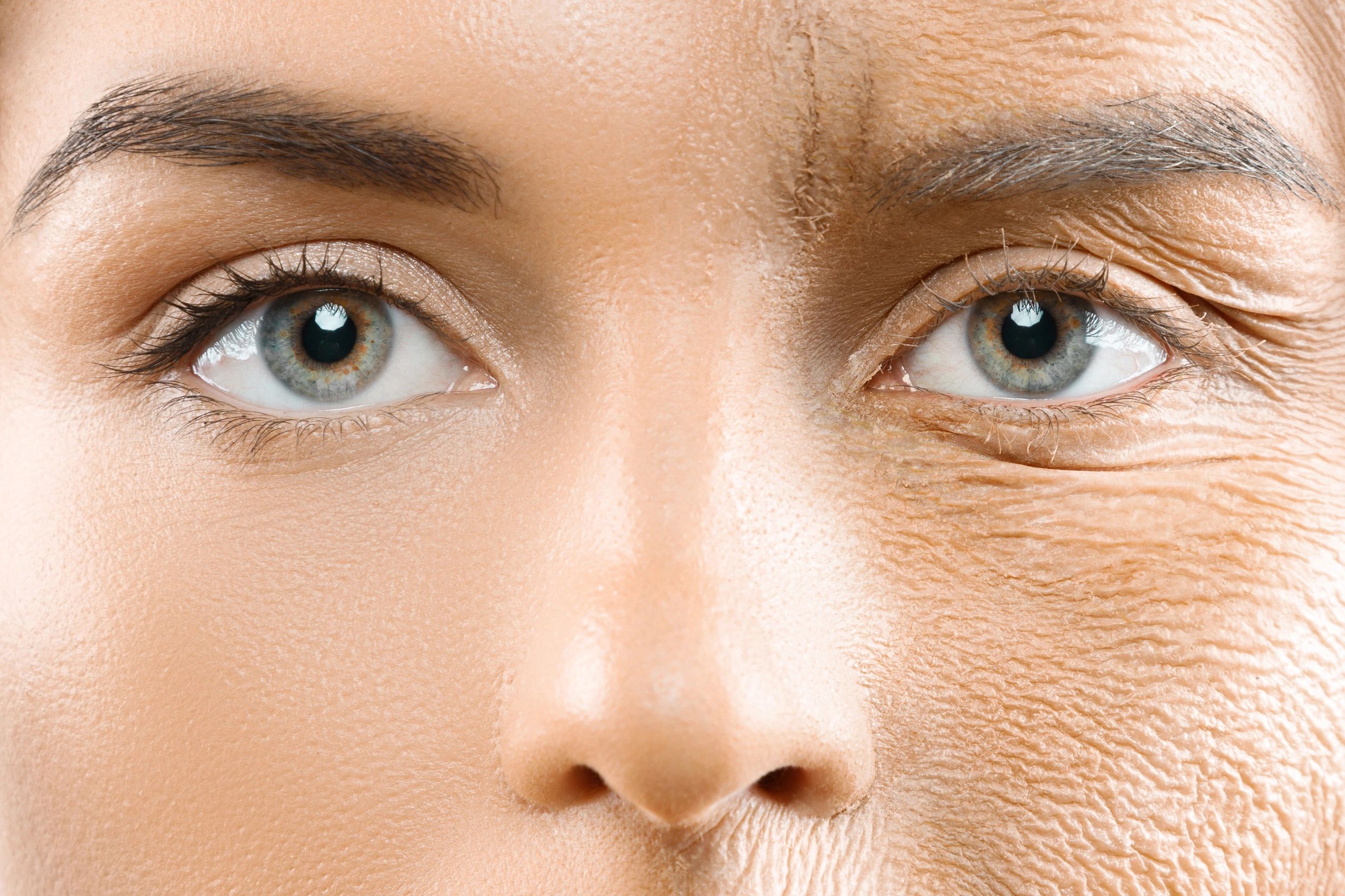
The search for extending life can be traced all the way back to Ponce de León searched around Florida looking for a mythical life extending fountain. But what if the secret isn't some enchanted spring, but right there in your kitchen cabinet? We're talking teas. Sure, science hasn't bottled immortality yet (sorry, vampires), but a slew of studies suggest certain teas could slow the aging clock, boost longevity, and maybe even make your wrinkles jealous. We'll dive into the evidence from clinical trials and papers, sprinkle in some little unknown facts that'll have you rethinking your next drink.
The Facts:
Tea polyphenols can actually influence senescent cells (those zombie-like aging cells that hang around causing trouble), suppress DNA damage, and even help maintain telomere length (the protective caps on your chromosomes that shorten with age) Here's a shocker: If you're a tea newbie, starting a habit now could still rewind your biological clock – studies show converting from non-drinker to regular sipper yields measurable anti-aging perks, like slower biological age acceleration. Drinking less than one cup a day? You might as well be a non-drinker in terms of aging benefits, according to research on biological age markers. Oh, and tea's antioxidants aren't just for humans – they've extended lifespan in everything from yeast to worms to your pets.

Green Tea = Anti-Aging:
Green tea is effortlessly packed with EGCG and catechins that combat oxidative stress, inflammation, and even those pesky hallmarks of aging like telomere shortening. Studies show it might extend lifespan in everything from worms to humans, reducing risks of heart disease and cognitive decline. One trial found that long-term EGCG consumption enhanced healthspan in mice, increasing lifespan by about 25% while dialing down fat tissue senescence – basically, it tells your cells to not age so fast. Another review highlights how green tea polyphenols rev up DNA repair and autophagy, keeping your body's cleanup crew on overtime. In humans, consistent sipping (around 3 cups a day) attenuates biological aging, as seen in longitudinal cohort studies. And for skin? A skincare system with green tea improved moisture and reduced wrinkles in clinical trials. Just remember, don't overdo it, or you'll be jittery enough to outrun time itself.
Black Tea for Longevity:
Black tea is fermented for flavor but still loaded with theaflavins that fight gut dysbiosis and inflammation. Research links it to slower biological aging and lower mortality risks; one study found drinkers of two or more cups daily had a 9-13% drop in premature death odds. In yeast models, black tea extract extended lifespan via antioxidant gene activation, proving even microbes appreciate a good cuppa. A longitudinal analysis showed it attenuates aging acceleration better than some counterparts, especially in US adults where it correlated with higher life expectancy. Flavonoids in black tea (and berries, for that matter) are tied to healthier aging, though they're bitter – nature's way of saying, "No pain, no gain...for fewer wrinkles.
Oolong Tea: The Balanced Brew for Amyloid-Busting
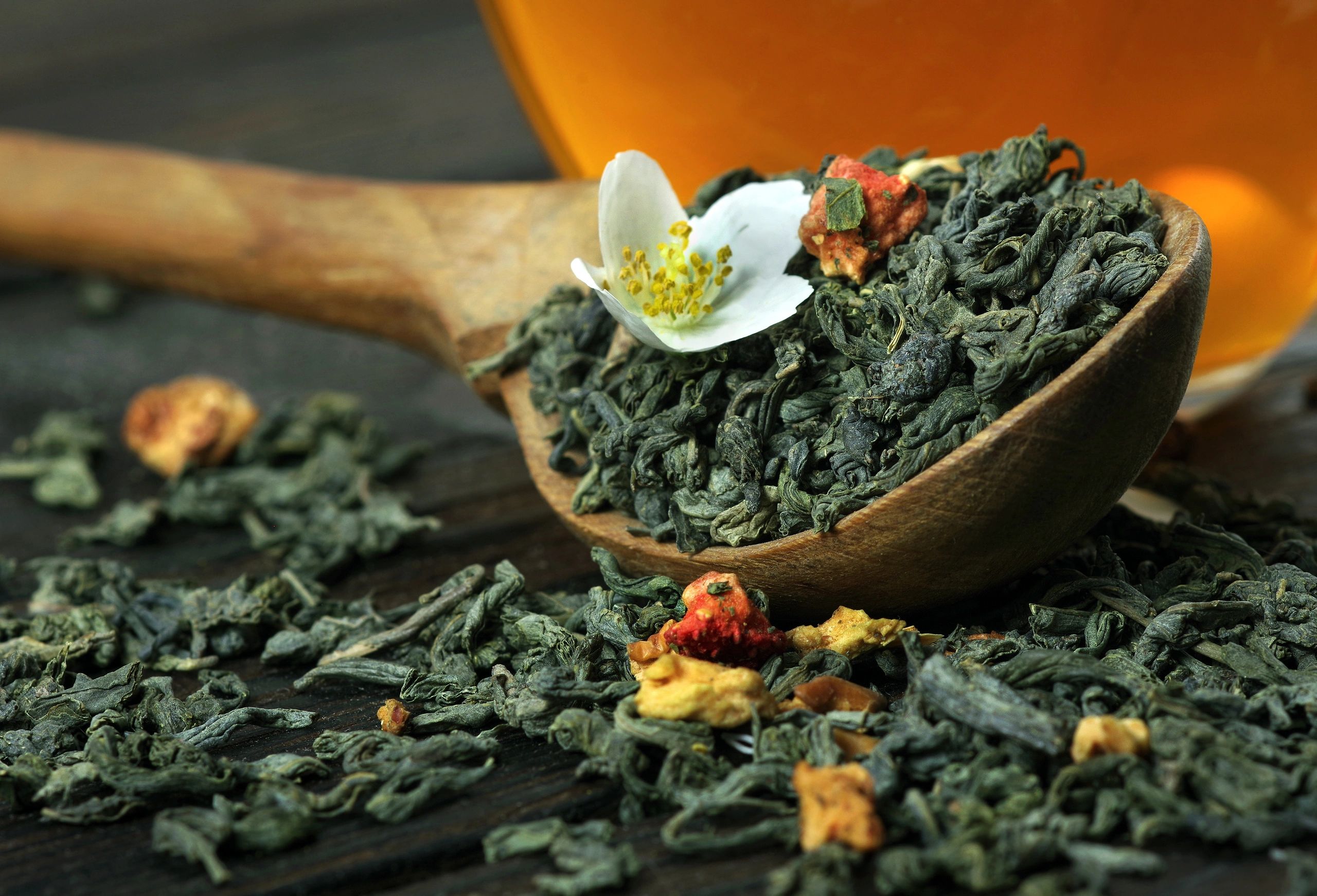
Oolong, that semi-fermented wonder, sits between green and black like a tea therapist mediating family drama. It's ace at inhibiting amyloid aggregation (those protein clumps linked to aging diseases) and aiding metabolic health. In vitro studies crowned it the strongest among six teas for blocking aging-related amyloids. Clinical trials show catechin-enriched oolong boosts antioxidant activity and liver protection, while polyphenol extracts alleviate obesity and gut issues in high-fat diet models. One trial even used it for recalcitrant atopic dermatitis, with patients noticing skin improvements in weeks. Research also ties it to anti-aging via free radical scavenging, potentially slowing the clock on cells. If life's a balancing act, oolong's your safety net – moderately caffeinated, maximally beneficial.
White Tea: The Delicate Dynamo
White tea, minimally processed and high in catechins, is powerfully protective. It prevents collagen breakdown for anti-wrinkle effects and shines in animal models against high-fat-induced aging, outperforming green tea in reducing inflammation. Reviews praise its antioxidant prowess for delaying aging and boosting longevity, with flavonoids helping maintain skin elasticity. In obese individuals, white tea consumption improved anthropometric and metabolic markers in clinical settings. One study on silver needle white tea showed anti-inflammatory effects in aging models, keeping those antioxidant enzymes firing. It's so gentle, you might forget it's working – until you realize your houseplants are wilting faster than you are.
Dark Tea (Like Pu-erh): The Fermented Fountain of Youth
Pu-erh and other dark teas are the aged cheeses of the tea world – fermented for depth, and apparently, for anti-aging perks. They reduce oxidative stress and amyloid formation, with studies showing strong effects in premature aging mice, trumping green tea in lipid control. Theabrownin (the pigment) from Pu-erh lowers cholesterol via gut modulation in mice and humans, potentially extending health span. Epidemiological buzz suggests anti-cancer and metabolic benefits, with polyphenols offering cancer prevention mechanisms. Aged Pu-erh's phenolic compounds deliver biological effects like antioxidant boosts, as per comparative analyses. It's earthy, bold, and might just help you age like fine wine – or in this case, like fine tea.
Herbal Teas: The Wild Cards for Wellness
Not true teas, but herbal infusions like ginseng, goji berry, rooibos, hibiscus, and chamomile bring their A-game with varied polyphenols. A review on hibiscus, rooibos, and yerba mate highlights their role in attenuating oxidative stress-related aging. Clinical trials show a collagen beverage with goji, aloe, chamomile, and acerola improving skin parameters – double-blind and randomized. Rooibos outshines ginkgo in some anti-wrinkle cosmetic trials for skin moisture. Hibiscus gets scoping reviews for health evidence, including potential anti-aging via antioxidants. They're caffeine-free, so you can sip stress-free – because nothing ages you faster than a bad night's sleep.
Cutting-Edge Brews: Recent and Upcoming Tea Experiments
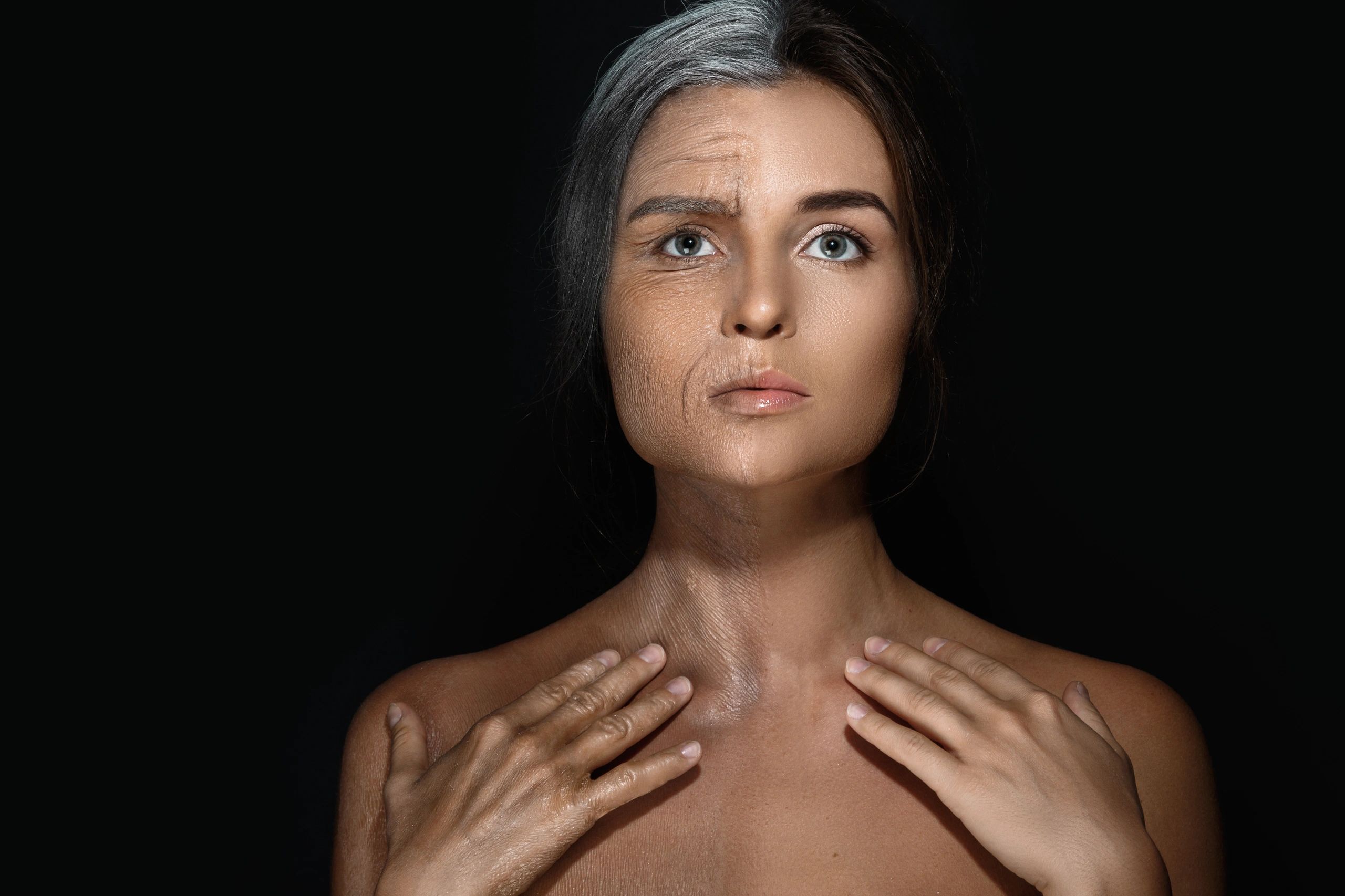
The tea-longevity scene is heating up with fresh research. In July 2025, a study showed black tea aqueous extract extending yeast lifespan by up to 34.6% through antioxidant gene activation and ROS reduction – a tiny but mighty clue for human applications. August 2025 brought a review on dietary polyphenols regulating aging-related chronic diseases, emphasizing their role in mitochondrial function and neuroprotection. A 2025 paper on green tea detailed how its polyphenols mitigate aging hallmarks in models like D-galactose-induced liver aging in mice. Looking ahead, the 8th World Congress on Polyphenols Applications in October 2025 will showcase the latest advancements in polyphenol research, including tea's anti-aging potential – expect talks on bioavailability and new mechanisms. While no massive tea-specific longevity trials are announced yet, ongoing epidemiological work like a November 2024 study linking tea to higher life expectancy in US adults hints at more to come. Stay tuned; science is brewing something big.
In the end, while these teas won't make you immortal (we'd all be sipping non-stop if they did), the science from trials and papers points to real benefits when part of a balanced lifestyle. Aim for 3 cups a day, vary your brews, and who knows? You might just live long enough to see flying cars. Cheers to that!
**A Steamy Warning ** If you're dealing with any health issues, reach out to a doctor pronto – teas are terrific, but they're not a cure-all. Never fully trust everything you hear; do yourself a favor and research it yourself. Stay skeptical, stay healthy!