
How to make Holy Anointing Oil
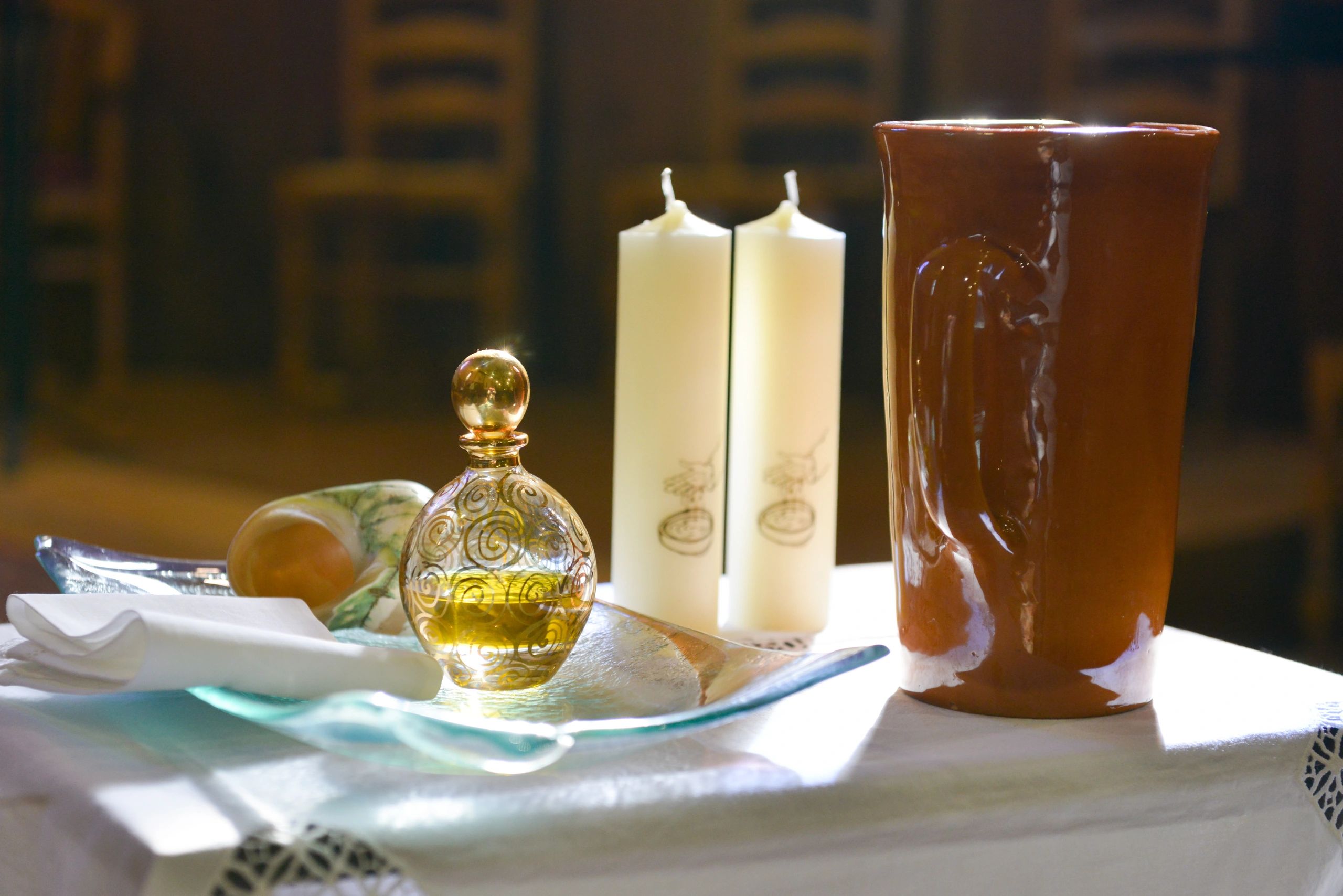
Holy anointing oil is one of the few recipes detailed in the Bible. It is mentioned multiple times, with precise measurements and ingredients provided for its preparation. According to the biblical instructions, the Holy Anointing Oil consists of five specific ingredients:
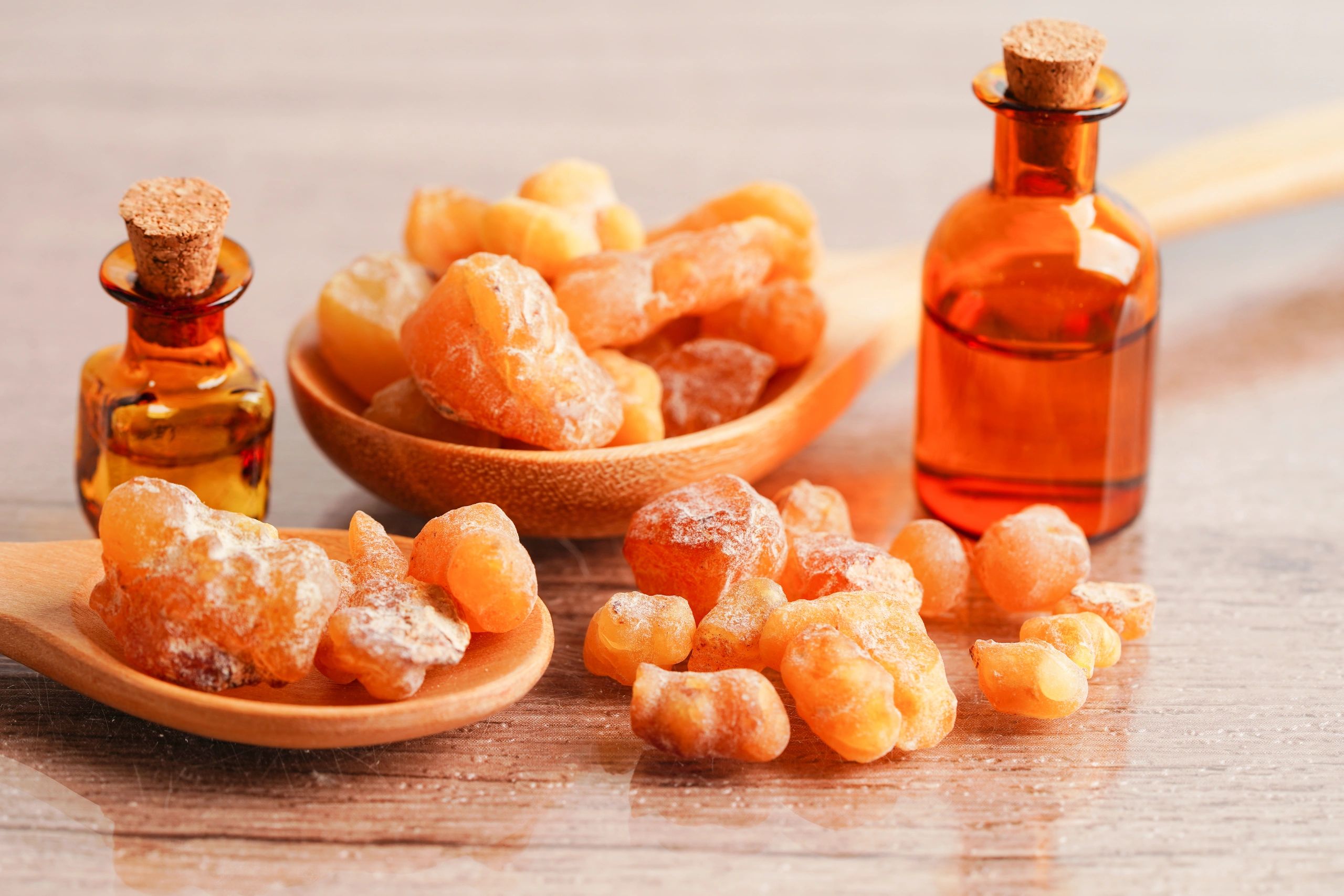
1. **500 shekels** (approximately 6 kg or 13 lb) of pure myrrh (מָר-דְּרוֹר, mār-dərōr)
2. **250 shekels** (approximately 3 kg or 6.6 lb) of sweet cinnamon (קִנְּמָן-בֶּשֶׂם, qīnnəmōn-besem)
3. **500 shekels** (approximately 6 kg or 13 lb) of cassia (קִדָּה, qīddā)
4. **One hin** (approximately 6 liters or 1.6 US gallons, about 5.35 kg or 11.8 lb) of olive oil (שֶׁמֶן זַיִת, šemen zayīt)
5. **250 shekels** (approximately 3 kg or 6.6 lb) of "fragrant sweet cane" (קְנֵה-בֹשֶׂם, qənē-ḇōsem, sometimes translated as calamus)
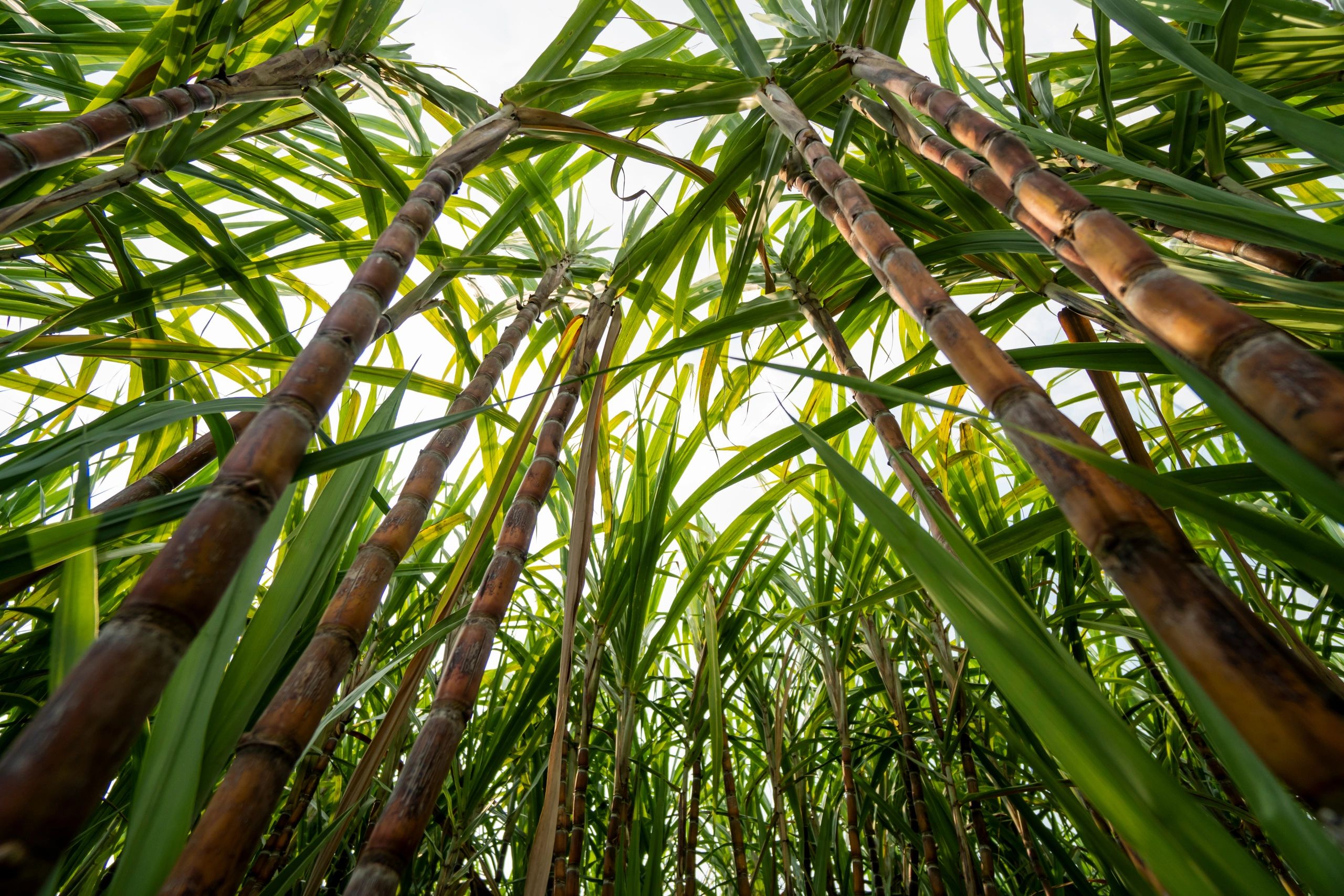
The ingredient "kaneh-bosm," often translated as "fragrant sweet cane," remains shrouded in mystery, with no clear consensus on its exact identity. Conventional biblical scholarship suggests that "kaneh-bosm" could refer to calamus, a fragrant reed or grass. However, some scholars, like Chris Bennett, argue that this interpretation is a misconception. In his 2001 book, *Sex, Drugs, and Violence in the Bible, Bennett posits that "kaneh-bosm" actually refers to cannabis.
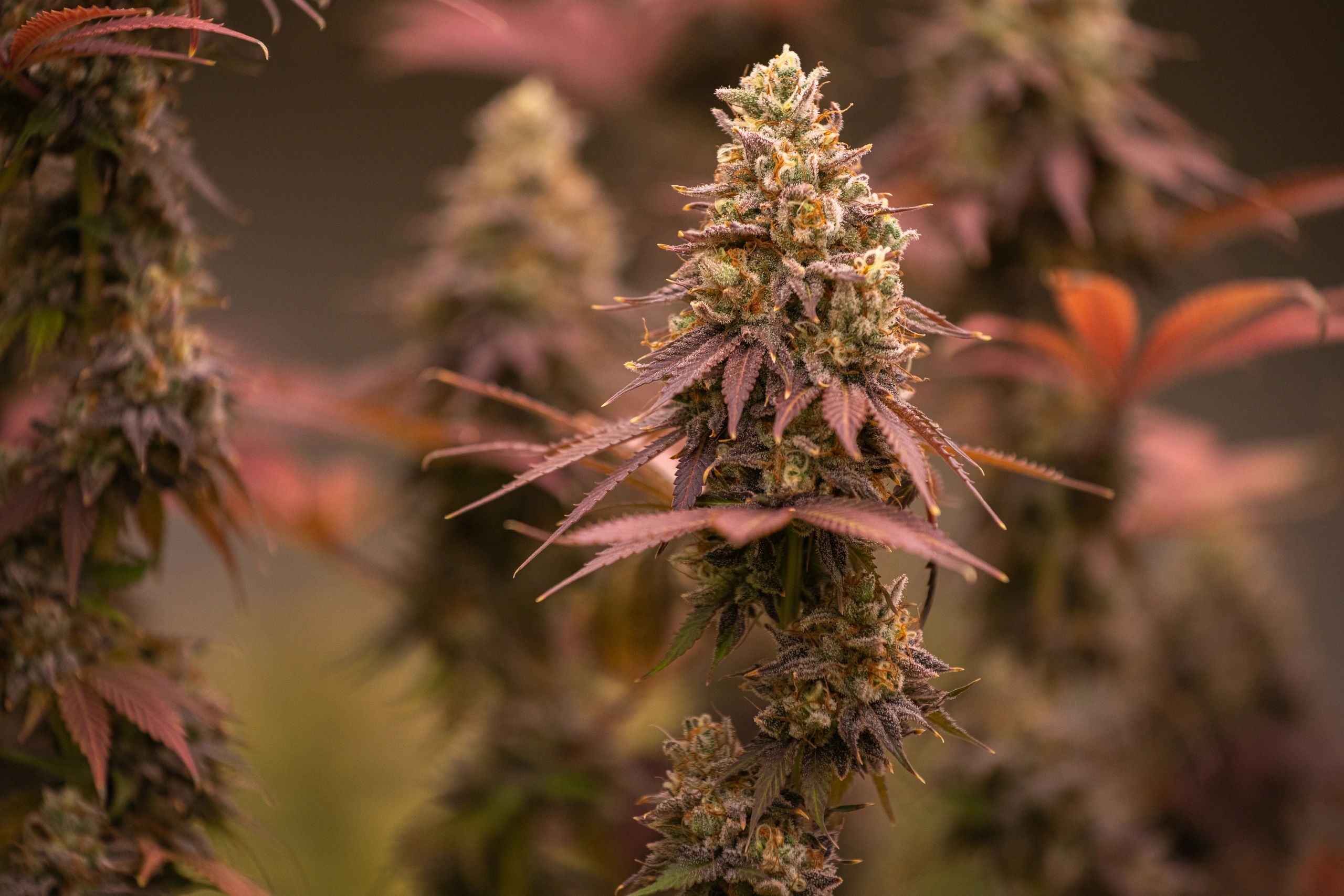
Bennett’s claim is rooted in the research of Sula Benet, a Polish etymologist who, in 1936, provided the first solid evidence of Hebrew use of cannabis. Benet demonstrated that the word cannabis likely has origins in Semitic languages, including Hebrew, where it appears as "kaneh-bosm." Benet argued that this term has been mistranslated as "calamus" since the third century BC, when the Hebrew Bible was first translated into Greek (the Septuagint). This mistranslation persisted in subsequent versions of the Bible.
Bennett builds on Benet's work, arguing that the traditional interpretation of "kaneh-bosm" as calamus is not only a linguistic error but also a significant theological oversight. He suggests that cannabis was likely used in ancient Hebrew rituals, given its psychoactive properties and its potential as a sacred, aromatic substance. Bennett also points out that the misidentification of "kaneh-bosm" as calamus—a relatively common and inexpensive marsh plant—fails to account for the high value and sacred status attributed to this ingredient in the biblical text.
Bennett further explores how cannabis, under its true identity as "kaneh-bosm," may have played a crucial role in the religious practices of ancient Israel. He notes that cannabis could have been used as an incense during rituals, as an intoxicant, and as a component of the holy anointing oil, which was reserved for consecrating priests and sacred objects. Bennett suggests that the eventual erasure of cannabis from religious texts and its replacement with calamus may have been a deliberate act during the process of translation, possibly due to changing cultural attitudes toward intoxicants.

The Bible also issues a stern warning regarding the holy anointing oil in Exodus 30:31-33:
"You shall speak to the sons of Israel, saying, 'This shall be a holy anointing oil to Me throughout your generations. It shall not be poured on anyone’s body, nor shall you make any like it in the same proportions; it is holy, and it shall be holy to you. Whoever shall mix any like it or whoever puts any of it on a layman shall be cut off from his people."
This passage carries a grave warning: anyone who anoints a "layman" (a regular member of the congregation who does not hold a clerical office, such as a priest or pastor) with this oil will be cut off from their people. While the text provides exact instructions for making the oil, it also prohibits its use on others body and forbids creating it in the same proportions as it describes for commercial purposes.
The key takeaway from this biblical text is that while it is acceptable to make holy anointing oil for personal use, doing so for commercial purposes or in large quantities may render it ineffective and result in the maker being cut off from their community.
Today you can do a quick search and find that you can buy Holy Anointing Oil from almost every bible site. Did they use the correct ingredients, and will it work or is it just snake oil?
Try it yourself!
We reduced the mixture by 99%. Here's the reduced recipe:
- 5 shekels (approximately 60 g or 0.13 lb) of pure myrrh (מָר-דְּרוֹר, mār-dərōr)
- 2.5 shekels (approximately 30 g or 0.066 lb) of sweet cinnamon (קִנְּמָן-בֶּשֶׂם, qīnnəmōn-besem)
- 5 shekels (approximately 60 g or 0.13 lb) of cassia (קִדָּה, qīddā)
- 0.01 hin (approximately 60 ml or 2 fl oz, about 53.5 g or 0.12 lb) of olive oil (שֶׁמֶן זַיִת, šemen zayīt)
- 2.5 shekels (approximately 30 g or 0.066 lb) of "fragrant sweet cane" (קְנֵה-בֹשֶׂם, qənē-ḇōsem, sometimes translated as calamus)
This reduced mixture maintains the same proportions as the original recipe but is much smaller, suitable for a small batch. As always please be safe when mixing anything and this is not a suggestion to make it with cannabis (but I am). Stop if you have a negative reaction and seek medical help.