
Incense like you never knew!
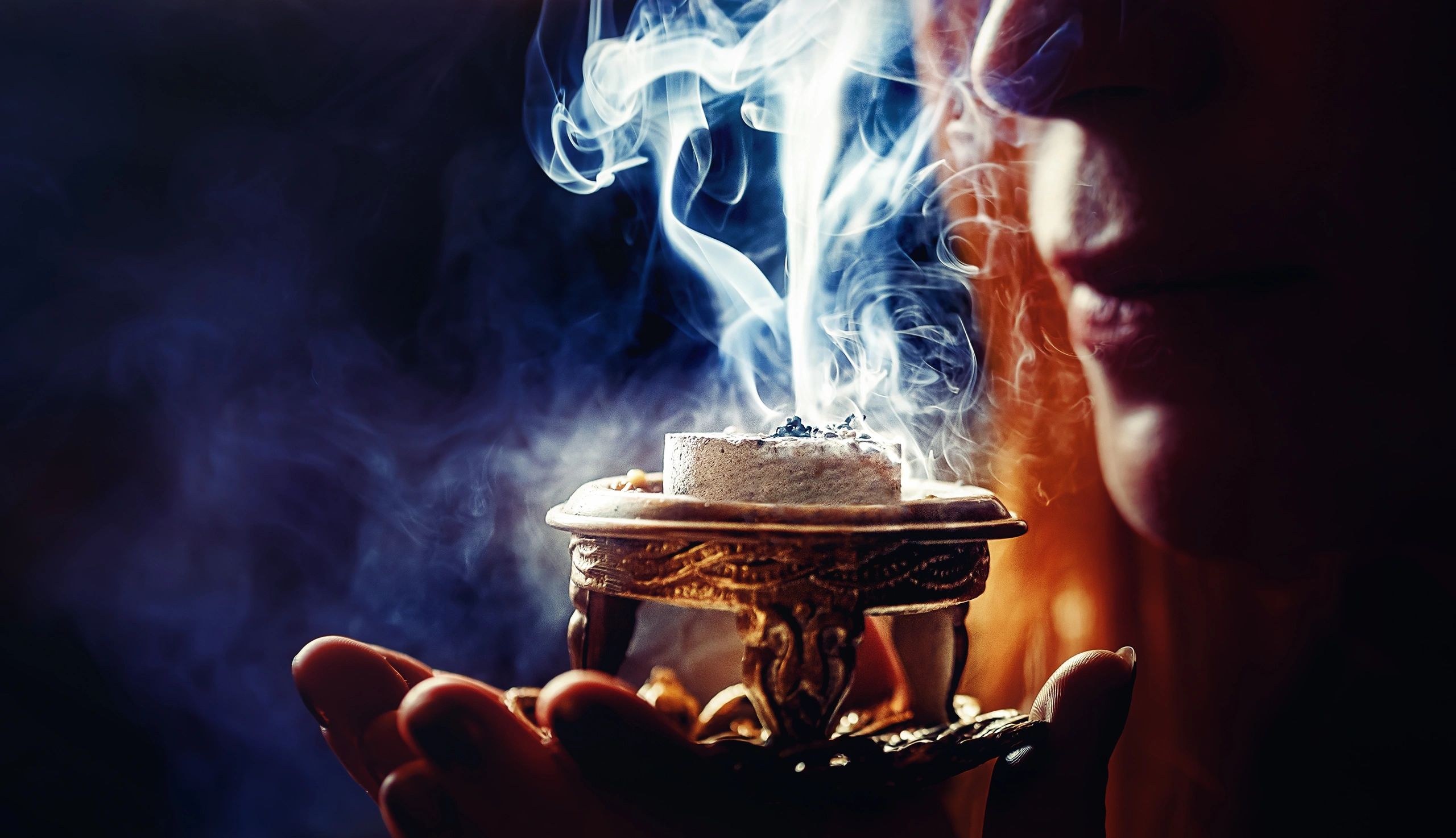
Believe it or not! Incense is not used just for covering up weed smells or a dirty environment. The use of incense has a rich and storied history that spans across cultures, religions, and time periods. From its origins as a tool for spiritual rituals to its modern applications in relaxation and aromatherapy, incense has remained a fascinating and beloved element of human culture. Below, we will delve into the historical origin, medicinal uses, role in belief systems, mythology, and even learn how to make incense at home.
The Historical Origins of Incense
The use of incense goes back farther then recorded time, with its origins deeply rooted in ancient cultures. With the earliest recorded use of incense traced back to ancient Mesopotamia, where it was employed in religious ceremonies and offerings to the divine. The Babylonians and Assyrians, for instance, used incense extensively in their rituals, believing that the fragrant smoke served as a bridge between the mortal and divine realms.
In ancient Egypt, incense played a crucial role in religious and funerary practices. It was used during mummification and burial rites, symbolizing the soul's ascent to the afterlife. The fragrant resins and spices used in these incense blends were highly prized and even considered as valuable as gold. The Chinese and Indian civilizations also have a long history of utilizing incense in various aspects of life, including religious ceremonies, medicine, and meditation.
Medicinal Uses of Incense
Apart from its spiritual significance, incense has been employed for its medicinal properties throughout history. In traditional Chinese medicine, for instance, incense was used to treat various ailments and purify the body and mind. Aromatherapists and herbalists have long recognized the potential health benefits of certain aromatic plants. The inhalation of incense smoke was believed to have therapeutic effects, including relaxation, stress relief, and even the alleviation of respiratory issues.
In Ayurvedic medicine, a system of traditional healing in India, incense is still used for its therapeutic qualities. Different types of incense are believed to balance the body's energies and promote well-being. Aromatherapists and herbalists still use incense today, harnessing the therapeutic properties of various fragrant herbs and resins to promote healing and relaxation.
Use in Beliefs and Rituals
The use of incense is deeply entwined with religious and spiritual beliefs across cultures. Incense has been offered to deities as a form of worship, believed to purify the environment, an integral part of meditation and spiritual practices, religious ceremonies, rituals and offerings, a symbol of the transitory nature of life and a symbolic representation of prayers rising to the heavens.
Incense in Mythology
Incense is not only a part of religious practices but also features prominently in mythology. In Greek mythology, the story of Frankincense and Myrrh is tied to the birth of Jesus, where the Magi brought gifts of gold, frankincense, and myrrh. These valuable substances were seen as offerings fit for a king, signifying the importance and reverence of incense in ancient tales.
In Greek mythology, incense was often used as offerings to the gods. The word "perfume" itself has its origins in the Latin "per fumum," meaning "through smoke." The Greeks believed that the fragrance of incense carried their prayers and offerings to the gods on Mount Olympus. Myrrh, one of the components of many ancient incense blends, is associated with the story of Myrrha. According to mythology, Myrrha was transformed into a myrrh tree and gave birth to Adonis. Myrrh resin was seen as a symbol of life's cycle and regeneration.
In the Bible, incense is mentioned numerous times. In the Old Testament, the Book of Exodus provides detailed instructions on how to create a sacred incense blend.
In the Chinese mythology legend has it that the discovery of incense was made by a mythical figure named Shen Nong, known as the Divine Farmer. He is said to have explored the properties of herbs and plants, which eventually led to the development of incense and its use in both medicinal and spiritual contexts.
How to Make Incense at Home
Creating your own incense at home is a rewarding and aromatic endeavor. Here's a basic guide to making incense sticks:
Ingredients:
- Ground herbs and resins (e.g., frankincense, myrrh, lavender, sage).
- Binding agent (e.g., gum arabic or makko powder).
- Water.
- Essential oils (optional).
Steps:
- Combine your ground herbs and resins in a bowl.
- Slowly add the binding agent, mixing until you have a dough-like consistency.
- If desired, add a few drops of essential oils for fragrance.
- Roll the dough into thin sticks or cones.
- Allow them to dry for a few days in a cool, dry place.
Remember to exercise caution and work in a well-ventilated area when working with flammable ingredients.
Hazel Allure has incense do it yourself kits available or the best incense here.