
What is a Curandera?
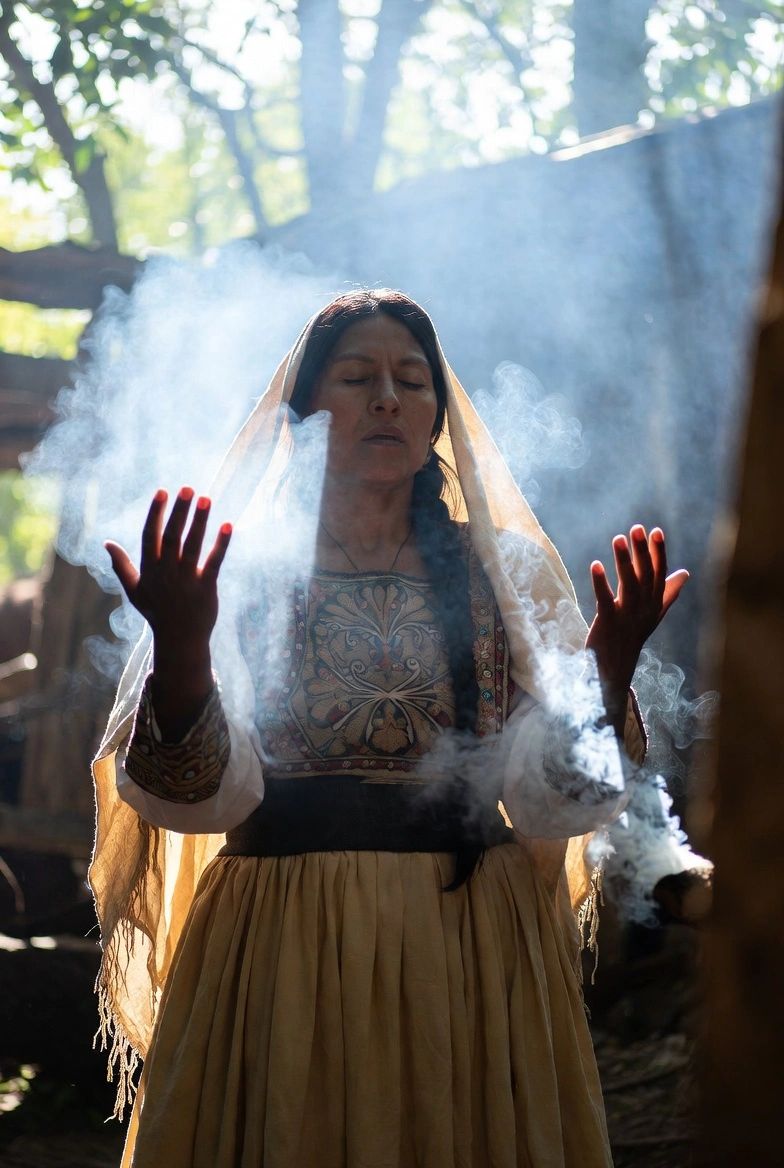
Whispers of the Curandera: Unorthodox Elixirs and Ancient Harmonies for the Soul
In the moon-kissed valleys where lavender's soothing veil meets rosemary's invigorating breath, the ancient art of the curandera blooms like a rare night herb under starlit skies. These high-end guardians of earth's purest wisdom—women attuned to the rhythms of nature and spirit—wield unorthodox methods to mend the fractured essence, drawing from herbal infusions, sacred rituals, and soulful cleansings. Rooted in the clean, intentional healing of Latin American traditions, curanderismo offers a luminous path to vitality, blending the physical with the ethereal. As if distilling chamomile's gentle cradle into a potent tonic, let us wander through its mysteries, backed by scholarly incantations and woven with myths from forgotten tomes, exploring what was once deemed possible and what modern lore reveals as true harmony for body and spirit.
The Essence of the Curandera: Guardians of Holistic Renewal
Envision the curandera as a luminous oracle, her hands steeped in the earth's high-end botanicals—yerba buena for calming tempests, rue for warding shadows—guiding seekers through unorthodox veils of healing. In Mexican and Latin American folklore, curanderas are revered as folk healers, often women of the community who inherit knowledge passed like sacred seeds through generations. They address ailments not merely of flesh but of the soul, classifying ills as natural or supernatural, employing herbs, massages, prayers, and rituals to restore balance. Unlike the sterile precision of modern elixirs, their practice evokes a clean, intertwined dance of body, mind, and spirit, echoing the nurturing glow of elderberry in moonlit dew.
Scholarly grimoires affirm this potency: A systematic review of 33 studies on traditional healers, including curanderas, highlights their role in providing accessible, affordable care congruent with Latine cultural rhythms, addressing barriers like language and cost in biomedical systems. In one incantation of research, 29.1% of 405 Hispanic patients in a public health system had sought curanderas, with 72.9% reporting benefits for long-term complaints laced with psychosocial whispers, such as anxiety or relational discord. This unorthodox approach, evoking eucalyptus's purifying vapor, fosters psychological reassurance through familiar rituals and herbs with proven antibacterial essences, promoting equity in wellness.
Variations of the Curandera: Diverse Threads in the Healing Tapestry
Like branches of an ancient yew tree, curanderismo unfurls in varied forms, each a specialized bloom attuned to earth's rhythms and the soul's whispers. These high-end variations—yerberas, sobadoras, espiritualistas, hueseras, parteras, and consejeras—embody the multifaceted essence of healing, blending herbal wisdom with spiritual incantations. Rooted in a worldview where illness stems from imbalances in emotion, environment, malevolent forces, or spiritual disconnection, they draw from indigenous Mexican, Spanish, West African, Arab, and Asian influences, as chronicled in ancestral lore. What myths deemed miraculous, modern studies illuminate as potent: active herbal compounds, psychological catharsis, and cultural harmony yielding tangible vitality.
The yerbera, or herbalist, weaves earth's botanicals into elixirs, believing plants hold the key to purging toxins and restoring flow—much like papaya's digestive grace or passionflower's calming veil. Ancient beliefs held that herbs channeled divine energies to combat natural ills like indigestion or supernatural ones like envy-induced malaise. What might ring true: Scholarly tomes reveal these remedies contain active ingredients as laxatives, diuretics, and anti-inflammatories, effectively treating gastrointestinal woes and inflammation, with up to 75% usage in some Latine communities for their clean, accessible potency.
The sobadora, mistress of massage, realigns the body's vital currents through sobadas, viewing ailments as blockages in energy or flesh, akin to empacho's stagnant thorns. Legends whispered of hands channeling cosmic forces to mend musculoskeletal tempests, warding disharmony from fright or overwork. In truth's light: Evidence affirms their efficacy in easing pain and constipation, offering non-invasive relief congruent with cultural needs, often surpassing Western methods in patient satisfaction for chronic complaints.
Espiritualistas, the spiritual seers, confront supernatural shadows like mal de ojo or susto, believing malevolent gazes or soul loss fracture harmony, remedied by limpias with eggs or sage. Folklore painted them as warriors against duendes and brujas, absorbing negativity into charmed vessels. Modern echoes: Studies liken their rituals to psychotherapy, achieving 75% success in anxiety relief through cathartic release and community bonds, bridging emotional and spiritual realms with proven psychological benefits.
Hueseras, the bone weavers, set fractured forms and align skeletal whispers, attributing breaks to environmental discord or curses. Ancient tales spoke of lances piercing ills, restoring wholeness through touch. What endures: Their chiropractic-like arts provide effective musculoskeletal care, especially in underserved areas, with cultural alignment enhancing outcomes.
Parteras, midwives of new life, guide births with herbal tonics and prayers, believing fertility ties to lunar cycles and ancestral blessings. Myths evoked ayahuasca visions for soul retrieval in labor's trials. Verifiable grace: They support reproductive health with plants aiding menstruation and menopause, offering anti-inflammatory aid in a holistic frame.
Consejeras, counselors of the spirit, offer guidance for relational and mental storms, rooted in beliefs of family unity against disconnection. Lore held them as mediators of divine wisdom. In contemporary light: Their approaches mirror counseling, fostering equity and reassurance for psychosocial ills.
Unorthodox Methods: Herbal Infusions, Rituals, and Spiritual Cleansings
Step into the curandera's sacred chamber, where unorthodox elixirs simmer—teas of hierbas for detoxification, sobadas (massages) to realign the body's vital flow, and limpias (cleansings) with eggs or sage to banish mal de ojo's shadowy thorns. These clean, high-end practices, drawn from nature's refined apothecary, treat empacho (intestinal blockages) with poultices, susto (soul loss from fright) with prayers, and nervioso (anxiety) with calming botanicals like alucema/lavender. Far from crude, they mirror distilling ginger's warming fire for deep renewal, addressing what modern potions often overlook: the spiritual root of disharmony.
Backed by arcane studies, these methods shine: Curanderismo shows efficacy akin to psychotherapy for mental tempests, with a 75% success rate in treating anxiety-like nervioso through counseling infused with religious grace, surpassing Western interventions' 70% in some tomes. Herbal remedies, such as those for women's reproductive harmonies, find clinical support; plants like those in Mexican traditional medicine aid fertility, menstruation, and menopause, with evidence of anti-inflammatory and balancing virtues. In farmworker communities, 62.5% used herbs for acute woes, perceiving them as highly helpful, while sobadores treated musculoskeletal storms effectively. Yet, wisdom cautions: Some preparations, like azarcon for empacho, carry risks if not guided by attuned hands, urging harmonious integration with biomedical oversight. This unorthodox path, like infusing calendula for neural clarity, enhances well-being, with rituals providing cathartic release and fostering community cohesion.
Myths and Legends: Echoes from Ancient Tomes of Possibility
From the shadowed annals of Aztec codices and colonial whispers, myths paint curanderas as mystical weavers, guardians against duendes (spirit creatures) and brujas' (witches') curses. In old Mexican folklore, they trace to pre-Hispanic shamans, blending with Moorish alchemy and European witchcraft, as chronicled in tales where healers battle mal puesto (curses) with charmed eggs, absorbing negativity like a decoy under the moon's gaze. Legends from Hidalgo speak of shape-shifting brujas as turkeys seeking newborns' essence, warded by salt and scissors in crosses—echoing curanderas' protective rites. In Santa Fe's haunted lore, from the 1600s, a soldier's folly with witches' love potions ends in vengeance, underscoring the perilous line between healing and sorcery.
Ancient Peru's Moche art depicts curanderos with chonta lances, imbued with magic to pierce ills, while Yucatán tales invoke ayahuasca's visions for soul retrieval. These legends, like steeping turmeric in ancient brews, whisper what was thought possible: curanderas as exorcists of evil eyes, restorers of lost souls, bridging realms where modern science now glimpses truth—hallucinogens diminishing parasites, rituals easing PTSD-like susto. What myths deemed supernatural, studies reveal as profound: holistic integration mending unhealed wounds.
As the stars align in this eternal grove, the curandera's unorthodox wisdom invites us to a higher realm—clean, intentional, and infused with earth's herbal magic. In a world of fractured souls, her elixirs offer not just healing, but luminous harmony, proving ancient possibilities bloom anew in our quest for vitality.